Geography
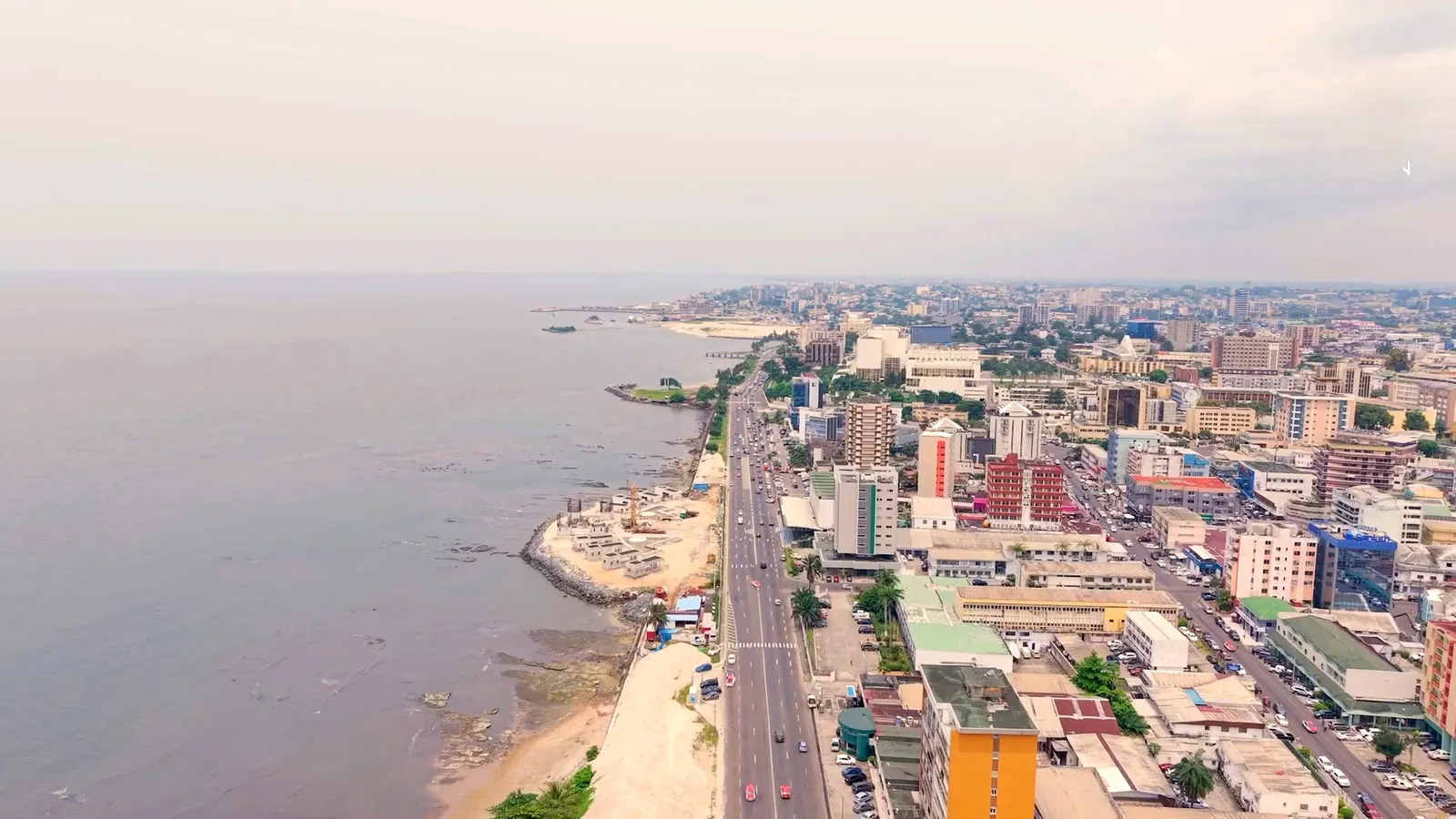
Gabon covers 267,667 km² straddling the equator, bordered by Cameroon and Equatorial Guinea to the north and the Republic of the Congo to the east and south. Its Atlantic coastline is about 885 km long. The territory is drained by the Ogooué basin, the country's longest river, and its highest point is Mont Bengoué (1,070 m) in the north-east.
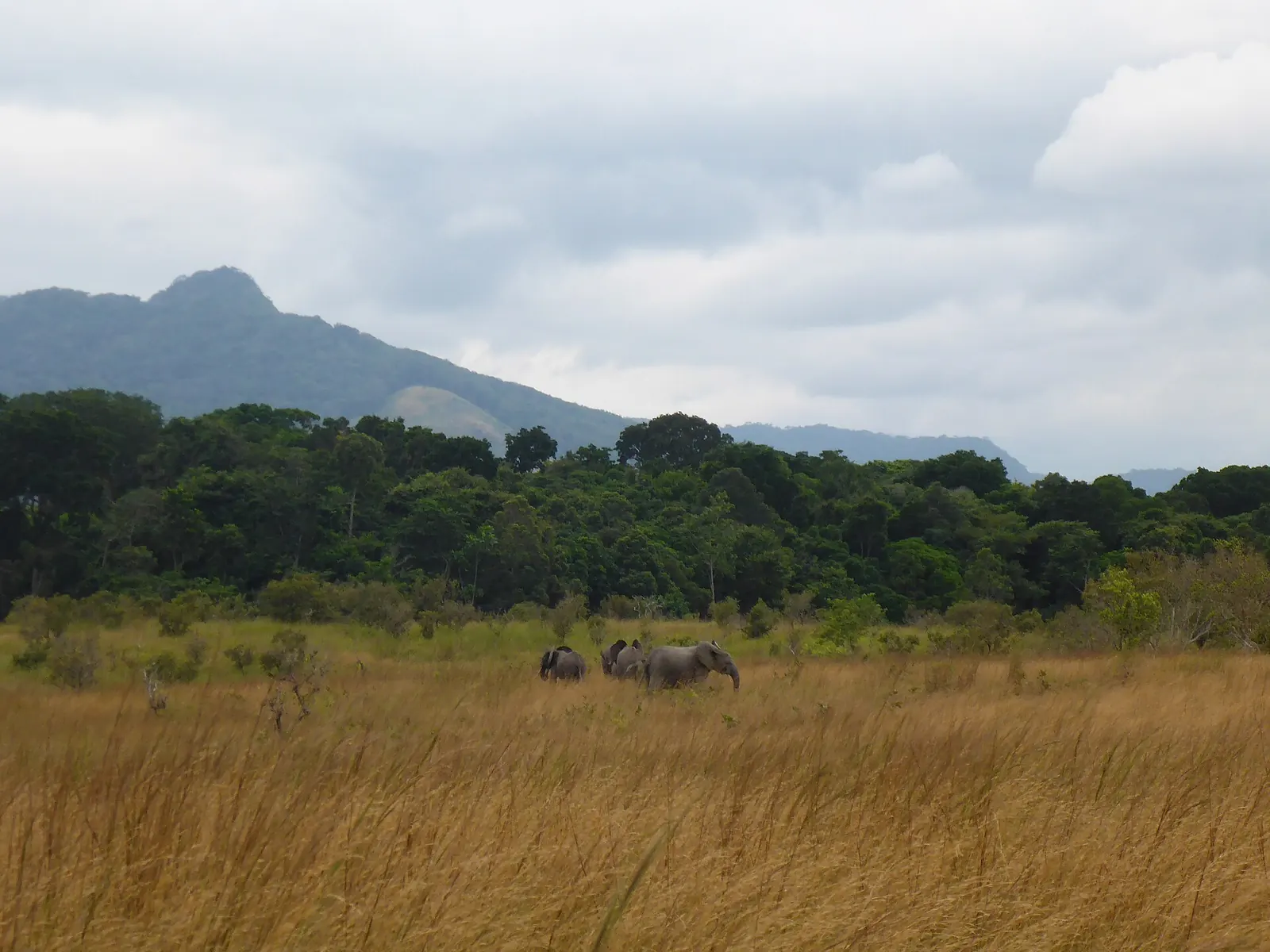
The climate is equatorial, hot and humid all year round, with alternating rainy and dry seasons. According to the World Bank, forest covers about 91% of the land (2023), one of the highest shares in the world. Thirteen national parks were created in 2002 and 2003, initially covering about a tenth of the territory. Two sites are on the UNESCO World Heritage List: the Ecosystem and Relict Cultural Landscape of Lopé-Okanda (2007) and Ivindo National Park (2021).
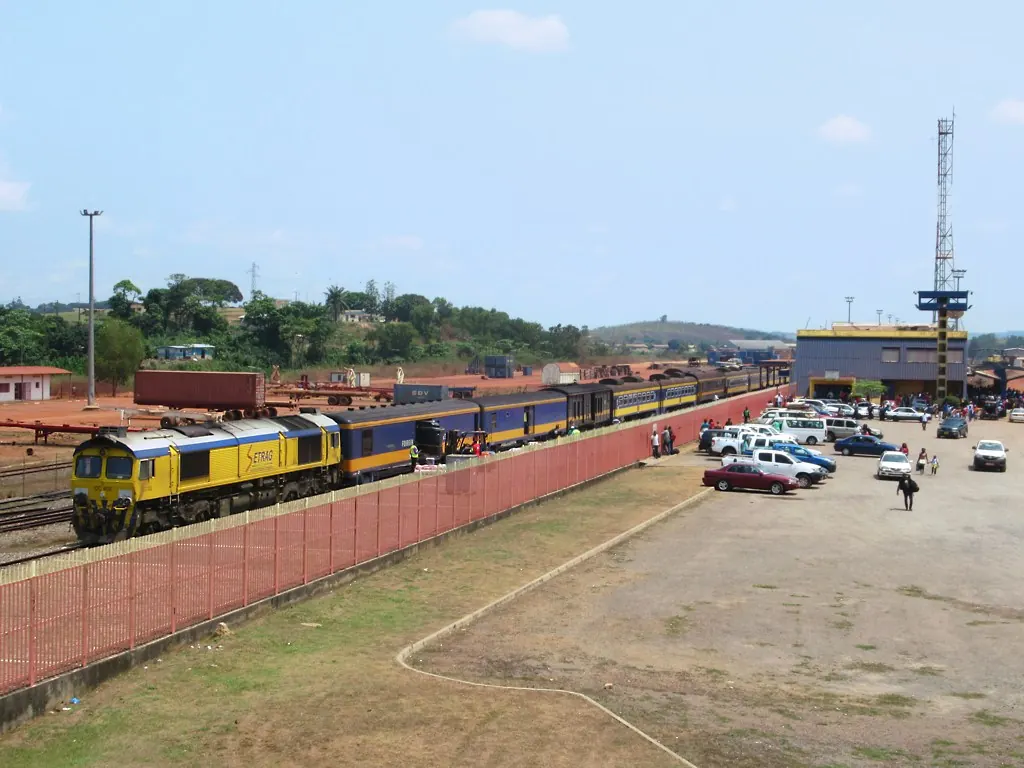
The country is divided into nine provinces. Estuaire, home to the capital Libreville and the port of Owendo, has most of the population. Port-Gentil, in Ogooué-Maritime, is the oil capital, and Franceville, in Haut-Ogooué, is the main hub of the east, close to the Moanda manganese mines.
Population and demography
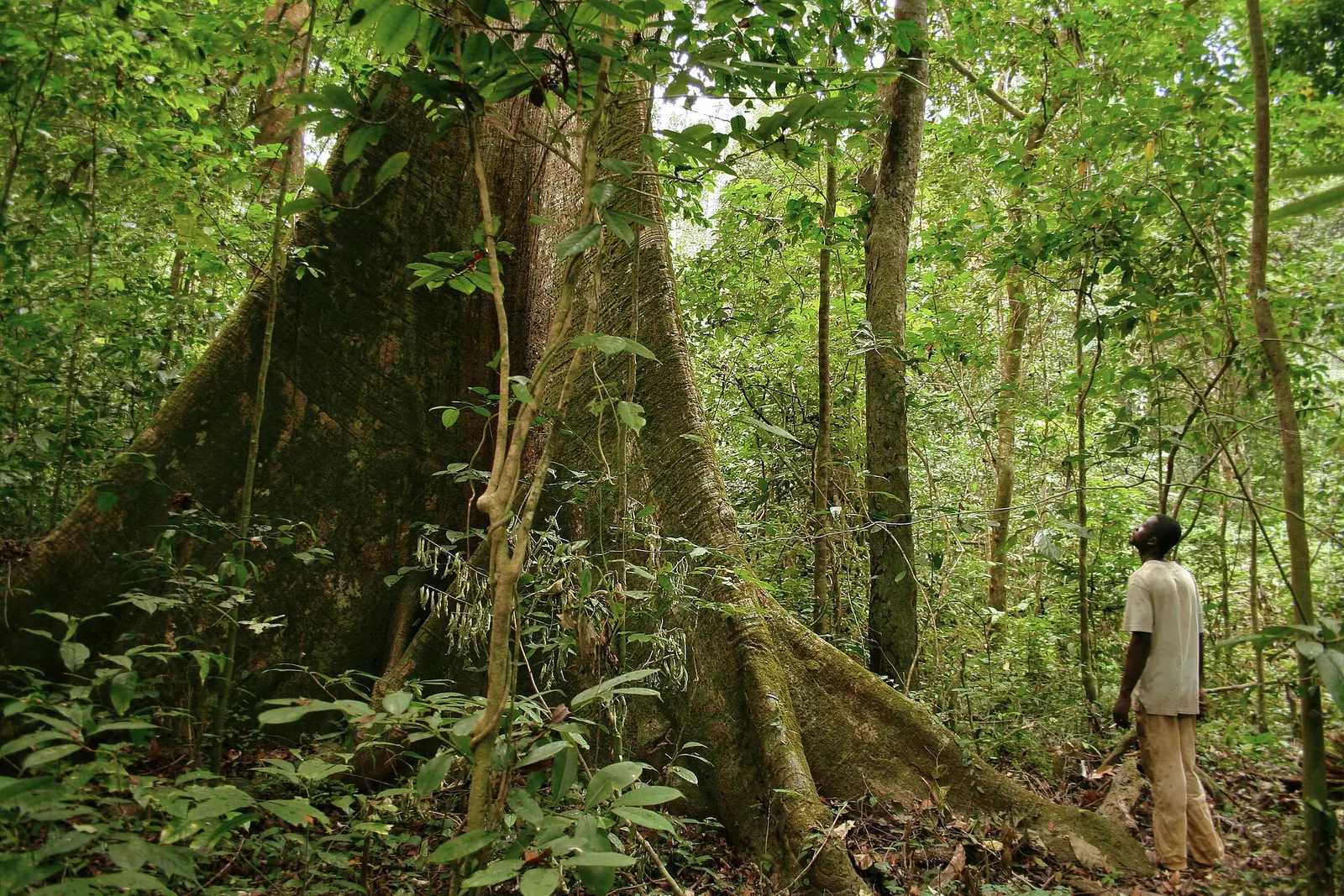
The 2013 general population and housing census (RGPL) counted 1,811,079 inhabitants. The results of the following census, validated by the Constitutional Court on 27 August 2026, report 3,518,621 inhabitants, of whom 2,184,908 live in Estuaire province, or 62.1% of the total. This figure is well above international estimates (2,593,130 inhabitants in 2025 according to the World Bank), and the sharp increase since 2013 has raised questions in the national press.
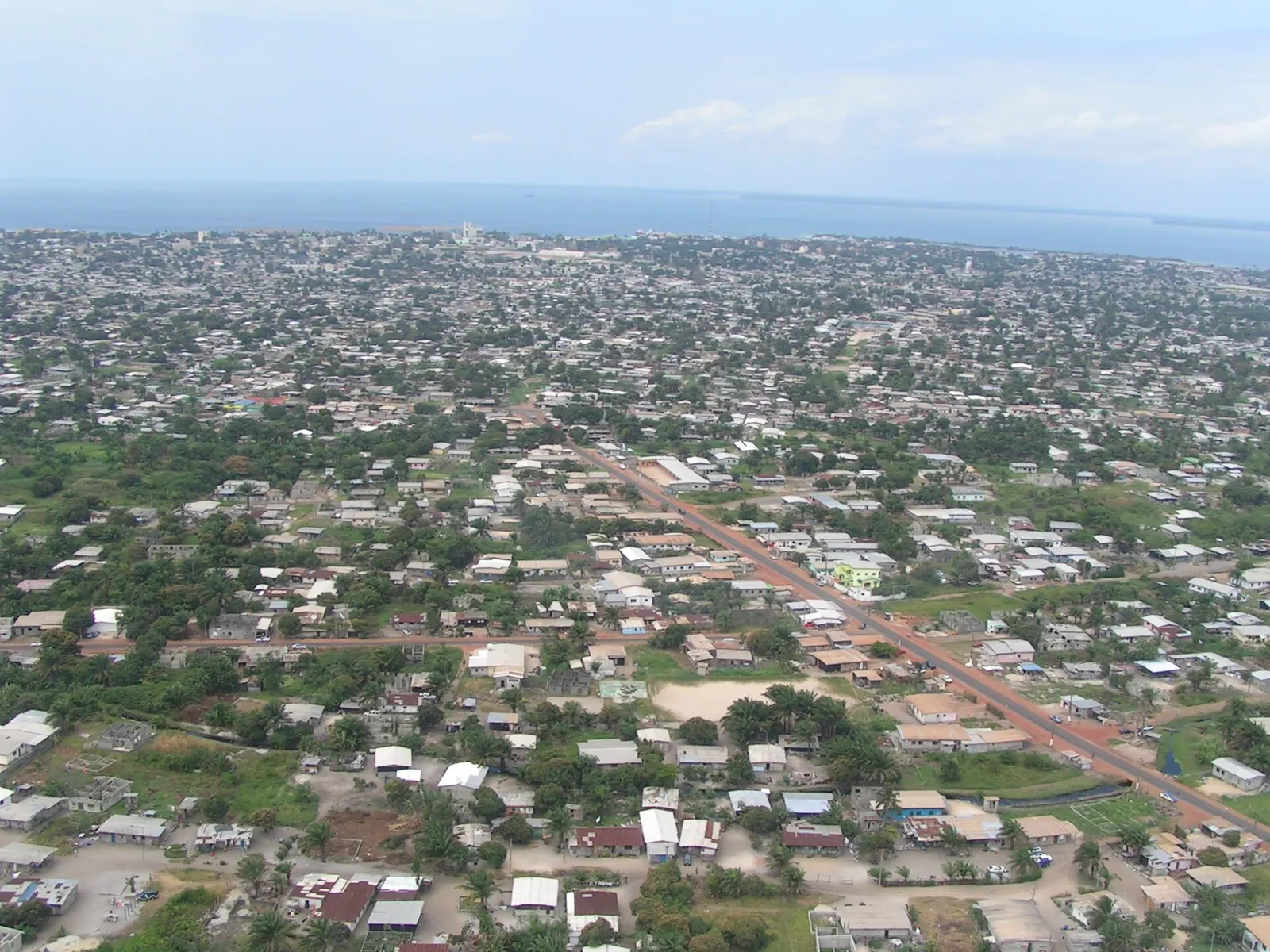
The population is young and highly urban. According to the World Bank, children under 15 make up about 36% of inhabitants and more than nine people in ten live in towns. Life expectancy at birth is 68.5 years (2024). The World Bank's 2025 economic update states that about 34.6% of the population lives below the poverty line.
French is the official language, used in government, education and business. Many national languages are spoken, including Fang, Punu, Nzebi, Myene and Teke.
Institutions and political context
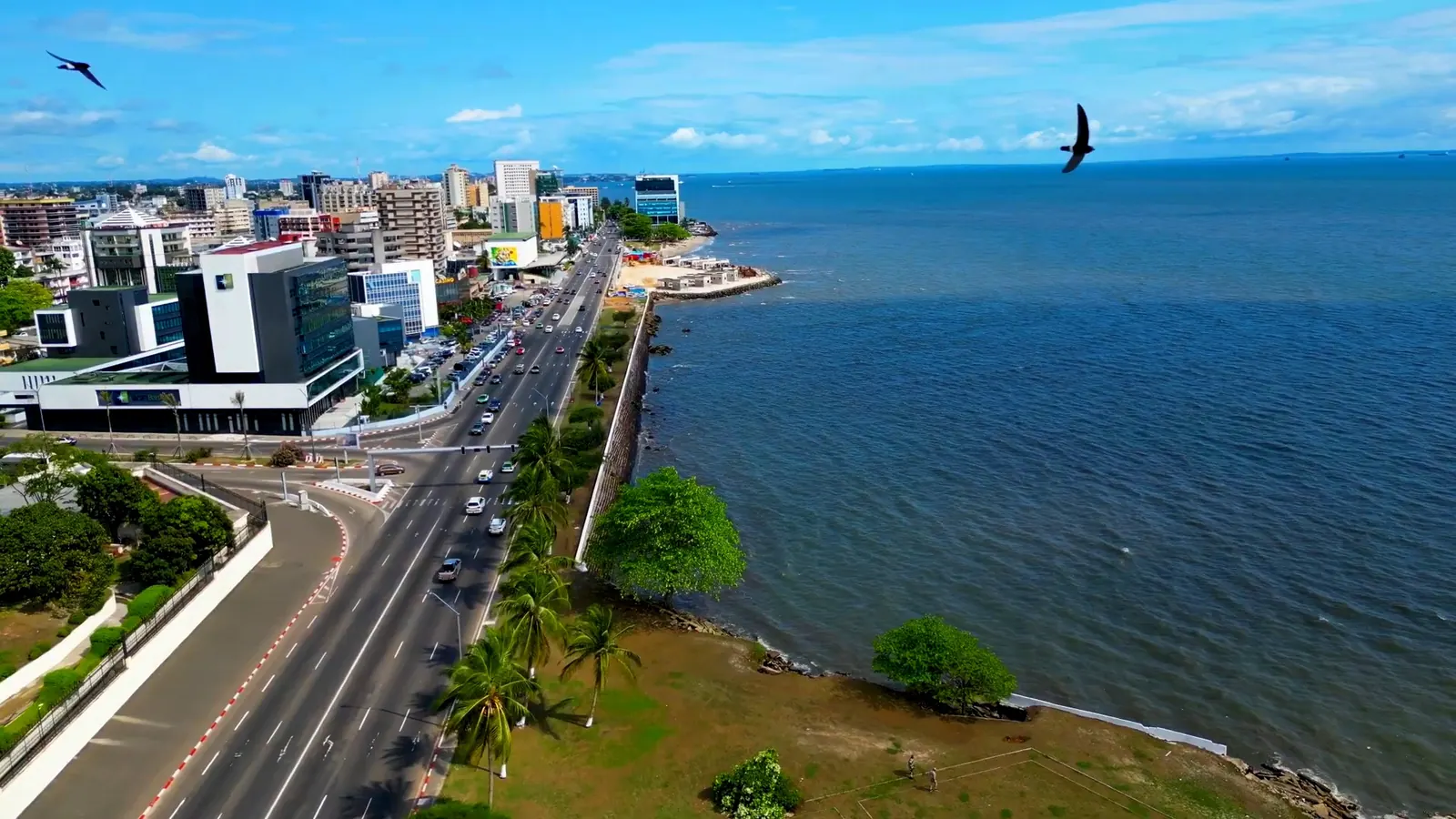
On 30 August 2023, army officers seized power and cancelled the results of the presidential election that had just taken place, ending more than five decades of rule by the Bongo family and the Gabonese Democratic Party (PDG). General Brice Clotaire Oligui Nguema was sworn in as transitional president on 4 September 2023, heading the Committee for the Transition and Restoration of Institutions (CTRI).
A new constitution was approved by referendum on 16 November 2024 (91.64% yes, with a turnout of 54.18%) and promulgated on 19 December 2024. It establishes a presidential system: the president serves a seven-year term, renewable once, and the post of prime minister is abolished and replaced by a vice-president of the government, alongside a vice-president of the Republic.
The presidential election of 12 April 2025 was won by Brice Clotaire Oligui Nguema with 94.85% of the vote according to the final results of the Constitutional Court, on a turnout of 70.11%. He was inaugurated on 3 May 2025. The legislative and local elections, held from 27 September 2025, gave a large majority to the Democratic Union of Builders (UDB), with 101 of the 145 seats in the National Assembly, and senatorial elections then completed the renewal of institutions.
Currency and regional integration
Gabon uses the Central African CFA franc (CFAF, code XAF), the common currency of the six states of the Central African Economic and Monetary Community (CEMAC): Cameroon, the Central African Republic, Congo, Gabon, Equatorial Guinea and Chad. It is issued by the Bank of Central African States (BEAC), headquartered in Yaoundé, and pegged to the euro at a fixed rate of 1 euro to 655.957 CFAF. Monetary policy is therefore set at regional level: in December 2025 the BEAC raised its main policy rate to 4.75%.
The country is also a member of the Organisation for the Harmonisation of Business Law in Africa (OHADA), whose uniform acts govern company law, securities and debt recovery in 17 states. Libreville hosts the headquarters of ECCAS.
The economy in brief
According to International Monetary Fund (IMF) estimates published in April 2026, Gabon's gross domestic product (GDP) is about 21.6 billion US dollars in 2025, or just over 9,000 dollars per person. Real growth is estimated at 2.5% in 2025.
The economy remains dominated by natural resources. In 2025 industry, which includes oil, mining and construction, accounts for about 47% of value added, services for 42% and agriculture, forestry and fishing for nearly 7%, according to the World Bank. According to the Extractive Industries Transparency Initiative (EITI), the extractive sector provided 95.3% of exports, 30.3% of GDP and 68.1% of government revenue in 2022.
- Oil: produced mainly offshore and in Ogooué-Maritime, it remains the main source of foreign currency and public revenue. Gabon is a member of the Organization of the Petroleum Exporting Countries (OPEC), which it rejoined in 2016. The World Bank notes that ageing fields and technical incidents weighed on output in 2025.
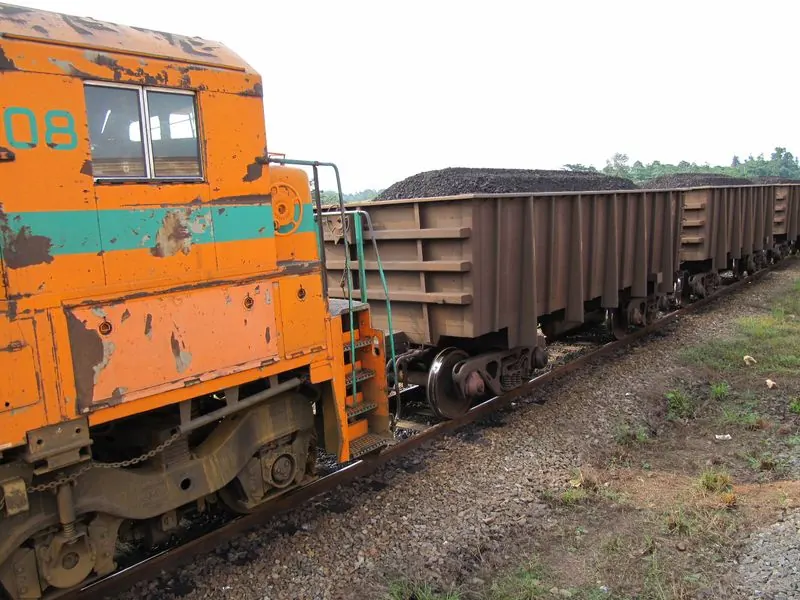
- Manganese: the Moanda mines, operated by Eramet Comilog, are described by the group as the world's largest manganese mines. National output was about 9.1 million tonnes in 2025, down 2.5% year on year according to data from the Directorate General of Economy and Fiscal Policy (DGEPF) reported by Financial Afrik.
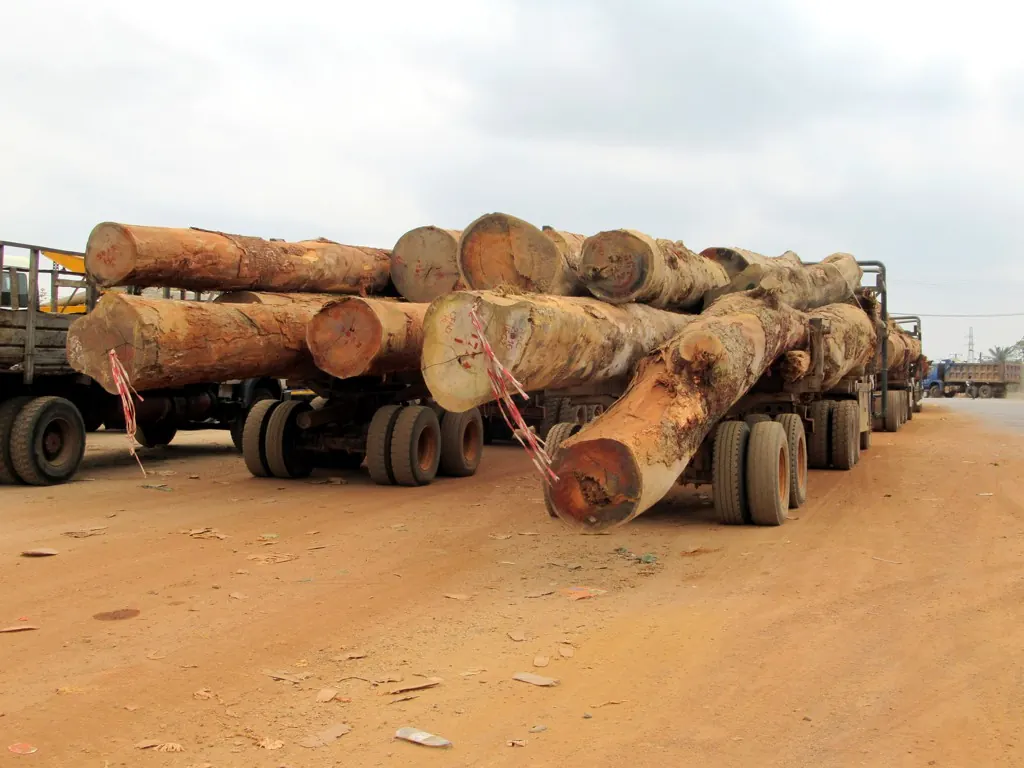
- Timber: the forest sector accounted for 3.2% of GDP and 6% of exports in 2023 and is the largest private employer, with almost 15,000 jobs, according to the World Bank. Log exports have been banned since 2010 to encourage local processing, notably in the Nkok special economic zone (SEZ).
Diversification strategy. After the National Development Plan for the Transition (PNDT) 2024-2026, which listed 293 projects, the General Planning Commission published the National Growth and Development Plan (PNCD) 2026-2030 in August 2026 according to Gabonmediatime, the first five-year plan of the Fifth Republic, focused on infrastructure, human capital and economic transformation. According to Gabonreview, the Council of Ministers of 30 May 2025 decided to ban exports of raw manganese from 1 January 2029, following the model of the log export ban. Agriculture, ecotourism, digital services and the processing of timber and minerals are among the priority sectors.
Public finances remain under strain: the IMF estimates public debt at 78.9% of GDP in 2025 and projects an increase in 2026. Detailed indicators are available in the macroeconomic data section.
International memberships
- CEMAC (Central African Economic and Monetary Community): customs and monetary union, with a common currency issued by the BEAC.
- ECCAS (Economic Community of Central African States): headquartered in Libreville, Gabon's reinstatement announced on 9 March 2024 according to Gabonmediatime.
- African Union: suspension lifted on 30 April 2025.
- OPEC: member since 1975, withdrew in 1995, rejoined in July 2016.
- Commonwealth: member since June 2022, partial suspension lifted on 15 July 2025.
- OHADA: treaty ratified in 1998, harmonised business law.
- EITI: Gabon rejoined the initiative in 2021.
Sources and useful links
-
Presidency of the Gabonese Republic (opens in a new tab)
Council of Ministers communiqués and institutional news.
-
World Bank, Gabon overview (opens in a new tab)
Political and economic context, financed projects.
-
IMF, Gabon profile (opens in a new tab)
World Economic Outlook series and projections.
-
Bank of Central African States (BEAC) (opens in a new tab)
Monetary policy, policy rates and CEMAC statistics.
-
EITI, Gabon page (opens in a new tab)
Data on the weight and revenues of the extractive sector.
-
OHADA (opens in a new tab)
Harmonised business law texts.
-
Directorate General of Statistics (opens in a new tab)
National statistical publications.
Sources
33 sources cited
- Résultats globaux du recensement général de la population et des logements de 2013 (RGPL2013) (opens in a new tab)
- Gabon : 62 % de la population concentrée dans l'Estuaire, l'urgence de repeupler l'intérieur du pays (opens in a new tab)
- RGPL 2026 : 3,5 millions d'habitants, le grand bond démographique qui demande des explications (opens in a new tab)
- World Development Indicators: surface area, forest area, population, urban population, population ages 0-14, life expectancy, value added by sector (API) (opens in a new tab)
- World Development Indicators: forest area (% of land area) (opens in a new tab)
- World Development Indicators: industry, value added (% of GDP) (opens in a new tab)
- World Economic Outlook (April 2026), DataMapper API: NGDP_RPCH, NGDPD, NGDPDPC, GGXWDG_NGDP (opens in a new tab)
- The World Bank in Gabon: overview (opens in a new tab)
- Gabon Economic Update 2025: Developing and Preserving Gabon's Wealth to Improve Living Standards (opens in a new tab)
- Gabon Economic Update 2024: Designing Fiscal Policies for Sustainable Forestry (opens in a new tab)
- Geography of Gabon (opens in a new tab)
- Parcs nationaux du Gabon (opens in a new tab)
- Gabon, World Heritage properties (opens in a new tab)
- Gabon (opens in a new tab)
- 2024 Gabonese constitutional referendum (opens in a new tab)
- 2025 Gabonese presidential election (opens in a new tab)
- 2025 Gabonese parliamentary election (opens in a new tab)
- Levée des sanctions au sein du Commonwealth : le Président de la République se félicite de la pleine réintégration du Gabon (opens in a new tab)
- Gabon, member country (opens in a new tab)
- Communiqué of the 1277th meeting of the Peace and Security Council, 30 April 2025 (opens in a new tab)
- CEEAC : levée des sanctions et réintégration du Gabon (opens in a new tab)
- Page d'accueil (parité EUR/XAF, États membres) (opens in a new tab)
- Communiqué de presse, Comité de politique monétaire, séance ordinaire du 15 décembre 2025 (opens in a new tab)
- Central African CFA franc (opens in a new tab)
- OPEC (opens in a new tab)
- Organisation pour l'harmonisation en Afrique du droit des affaires (opens in a new tab)
- Gabon (opens in a new tab)
- Manganese (opens in a new tab)
- Gabon: for the third consecutive year, national manganese production decreases by 2.5% in 2025 (opens in a new tab)
- 2029 : le Gabon ferme la porte au manganèse brut et ouvre celle de l'industrie (opens in a new tab)
- Plan national de développement pour la transition : le gouvernement fixe le cap pour les trois prochaines années (opens in a new tab)
- Développement stratégique : le Gabon officialise son premier plan quinquennal 2026-2030 (opens in a new tab)
- Gabon - PNCD 2026-2030 : l'exécutif dévoile sa feuille de route pour transformer l'économie gabonaise (opens in a new tab)