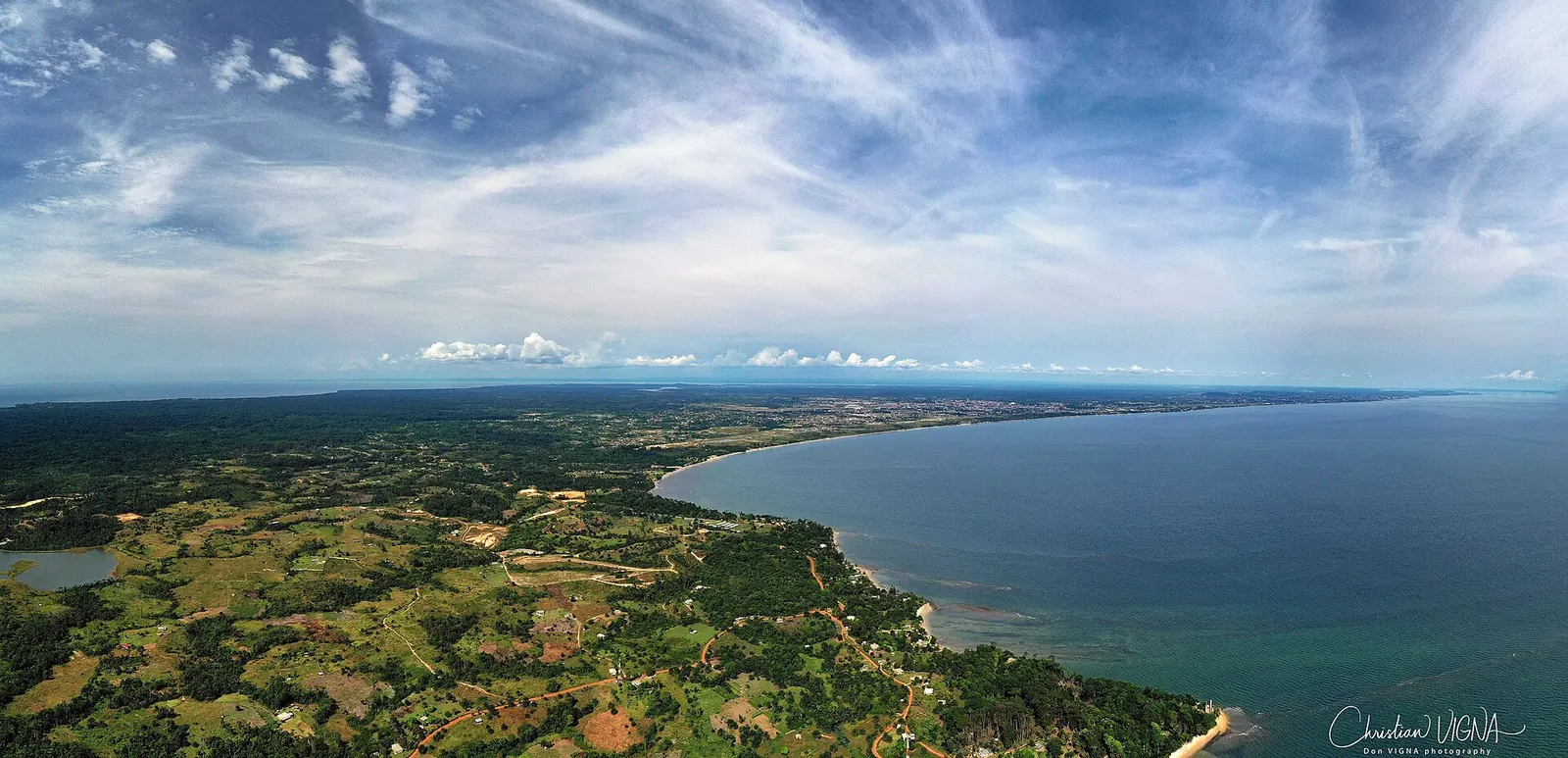
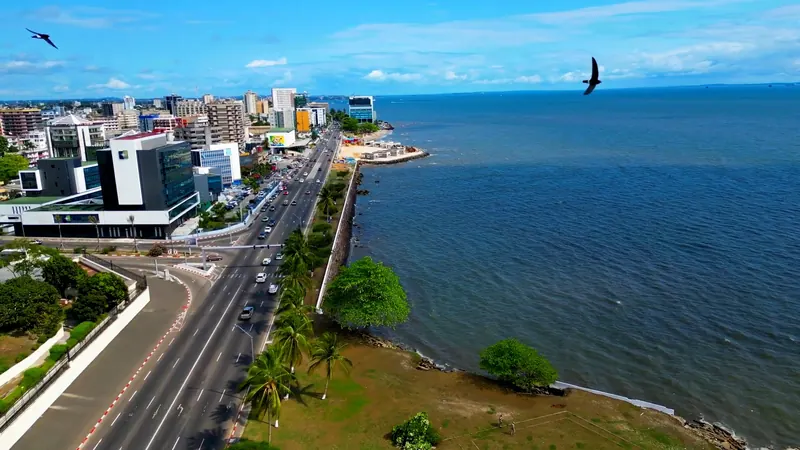
Capital: Libreville
Estuaire
According to the 2026 census, 62.1% of Gabon's inhabitants live in Estuaire.
2,184,908 inhabitants

Country portrait
Lying on the equator, open to the Atlantic and more than 90% covered by forest, Gabon is a middle-income country whose economy relies on oil, manganese and timber. This section brings together its key facts, macroeconomic data, provinces and infrastructure.
Geography, population, institutions and key facts.
Growth, inflation, public finances and foreign trade.
The nine provinces, their resources and projects.
Ports, roads, rail, energy and transport corridors.
Nkok and the other zones under a special economic regime.
Directory of institutions and contact points.
3,518,621 inhabitants
General census 2026. Results validated by the Constitutional Court on 27 August 2026. This result was discussed in the Gabonese press.
Source: Gabonmediatime, 28 août 2026 (opens in a new tab), 2026
2,593,130 inhabitants
World Bank estimate. Estimated total population, used for international comparisons.
Source: World Bank (opens in a new tab), 2025

Latest complete years available in the open databases of the World Bank and the International Monetary Fund (IMF).
The country is divided into nine provinces, from Estuaire, home to Libreville, to Haut-Ogooué, the manganese basin.
Select a province on the map or in the list to open its profile. Administrative boundaries: OCHA / Institut national de cartographie du Gabon (CC BY-IGO).
Capital: Libreville
According to the 2026 census, 62.1% of Gabon's inhabitants live in Estuaire.
2,184,908 inhabitants
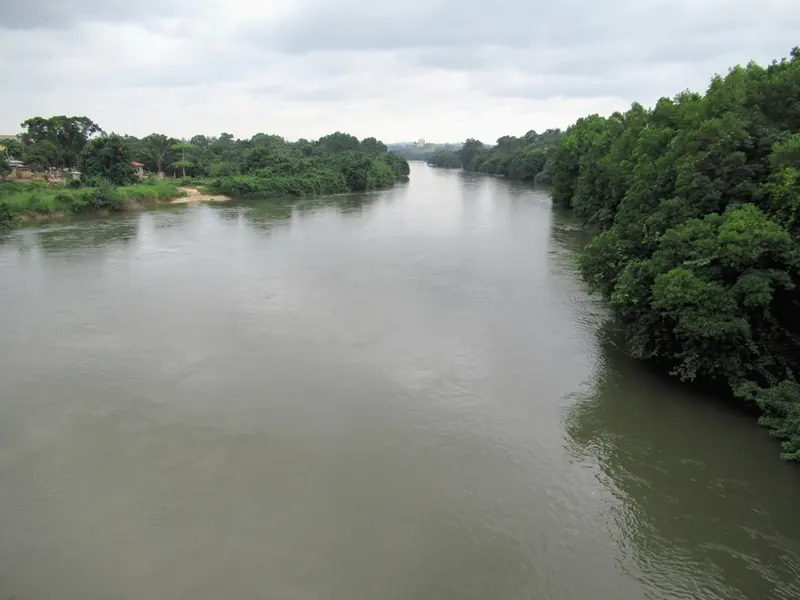
Capital: Franceville
Comilog produced 6.8 million tonnes of manganese ore at Moanda in 2024.
297,100 inhabitants
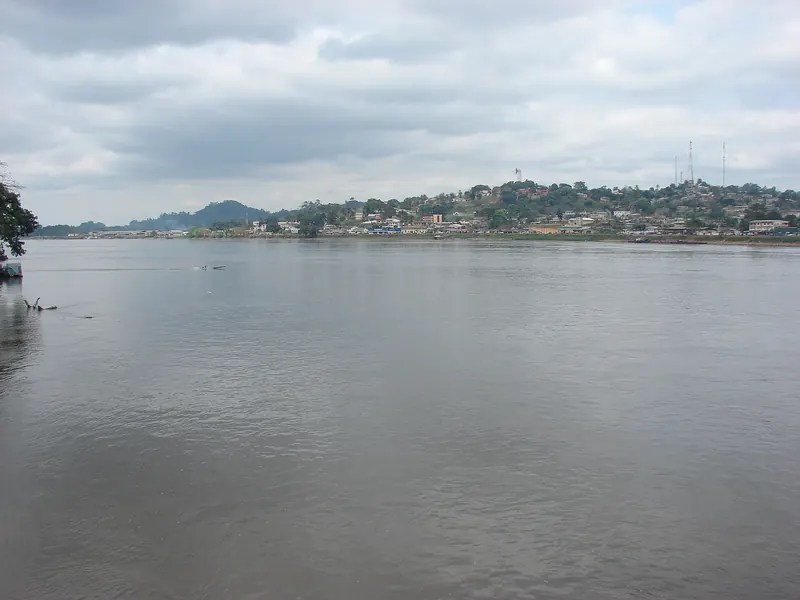
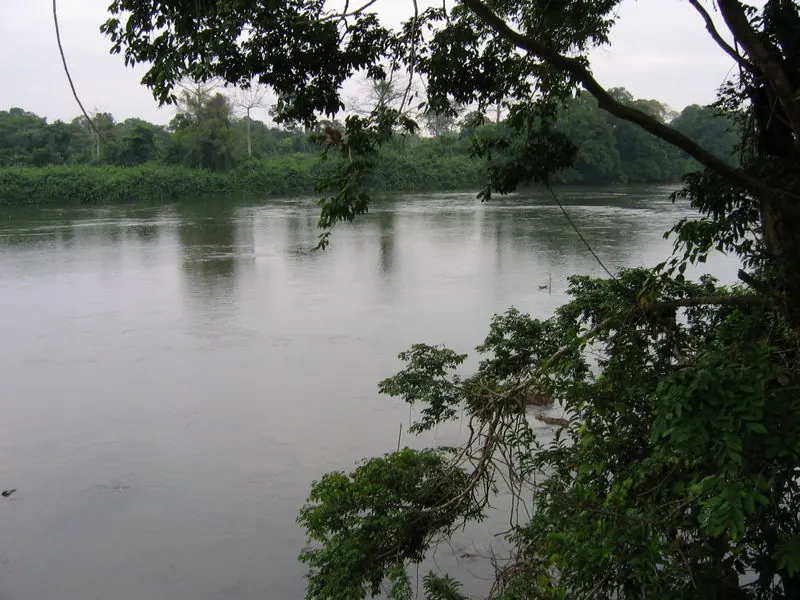
Capital: Lambaréné
The river crosses the province and remains navigable by barge up to Ndjolé.
105,703 inhabitants
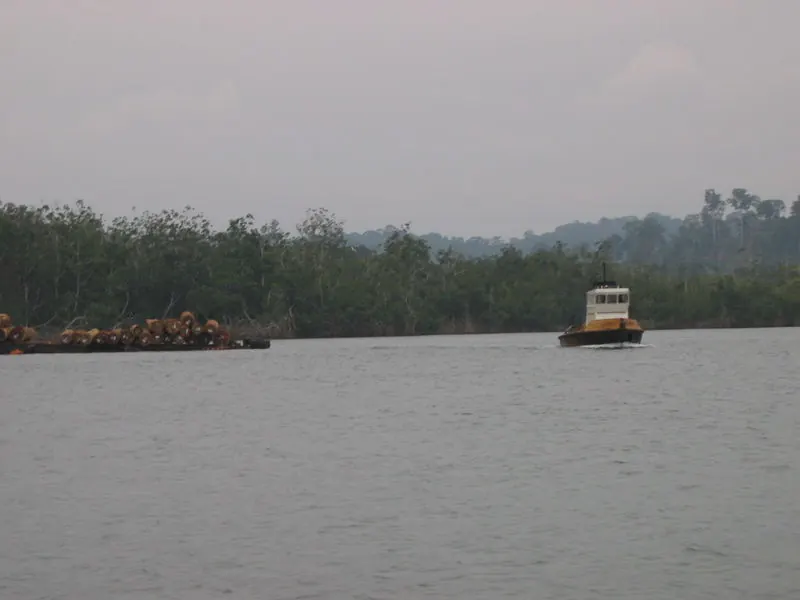
Capital: Mouila
Olam Palm Gabon runs the Mouila (2011) and Ndendé (2016) plantations in the province.
159,404 inhabitants
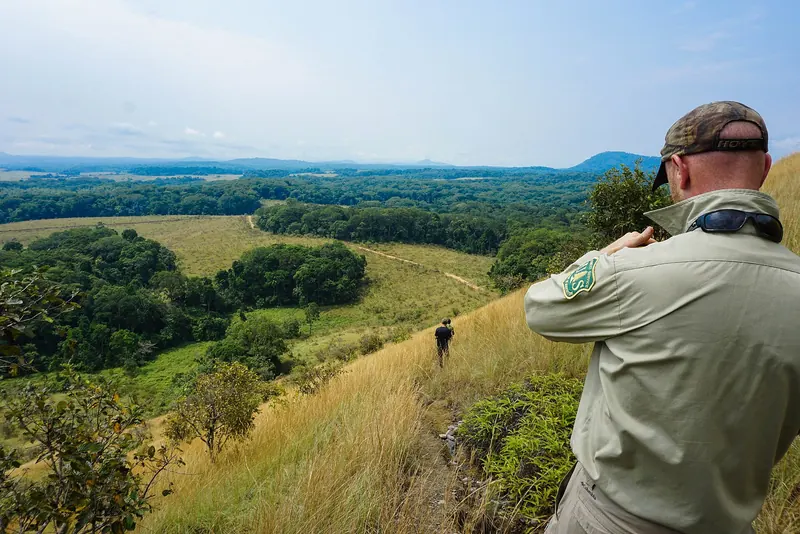
Capital: Tchibanga
Mayumba gives access to the Banio lagoon and to Mayumba marine national park.
68,215 inhabitants
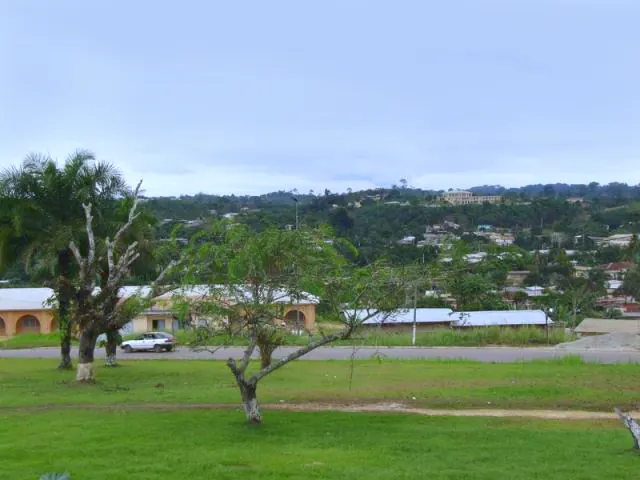
Capital: Makokou
Lopé (2007) and Ivindo (2021) are Gabon's two UNESCO-listed sites.
93,482 inhabitants
Capital: Koulamoutou
Lastoursville station, 484 km from Owendo, links the province to Owendo port and Franceville.
75,128 inhabitants
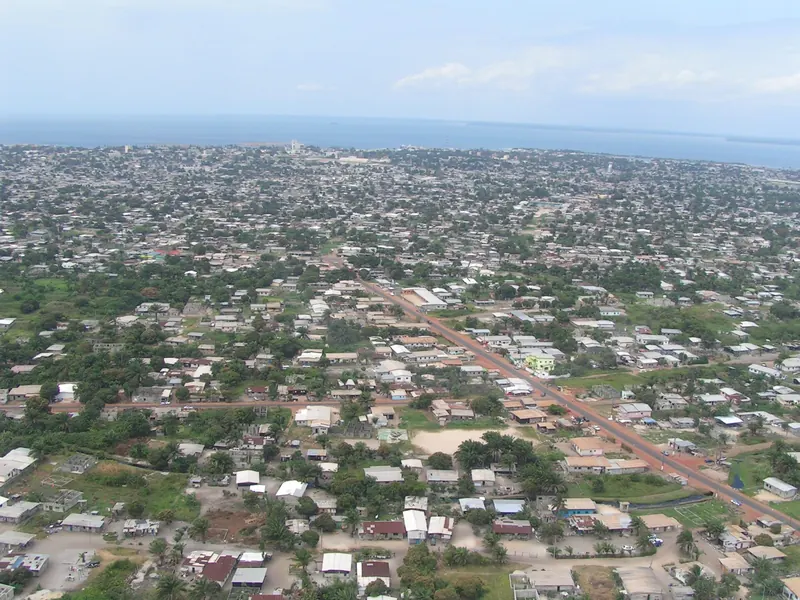
Capital: Port-Gentil
Port-Gentil is the hub of the country's oil activity, with operators such as Perenco, TotalEnergies EP Gabon and Assala.
292,652 inhabitants
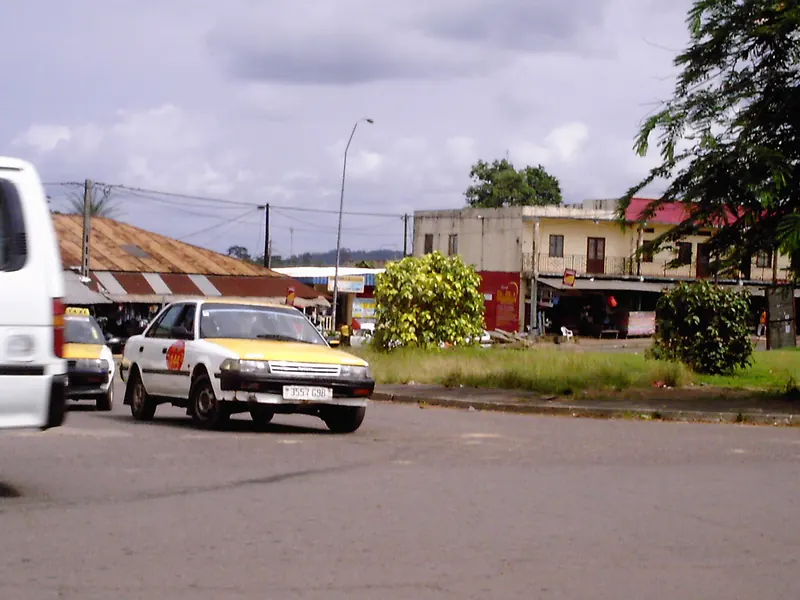
Capital: Oyem
Woleu-Ntem borders Cameroon and Equatorial Guinea, with a crossing into Cameroon at Eboro.
242,029 inhabitants
Population: results of the 2026 general population and housing census (RGPL), as reported by Gabonmediatime (opens in a new tab).
Series imported from the open databases of the institutions listed, with the date of their latest update on the platform.
Answers are provided for information only and do not replace the opinion of the competent administration.
Powered by