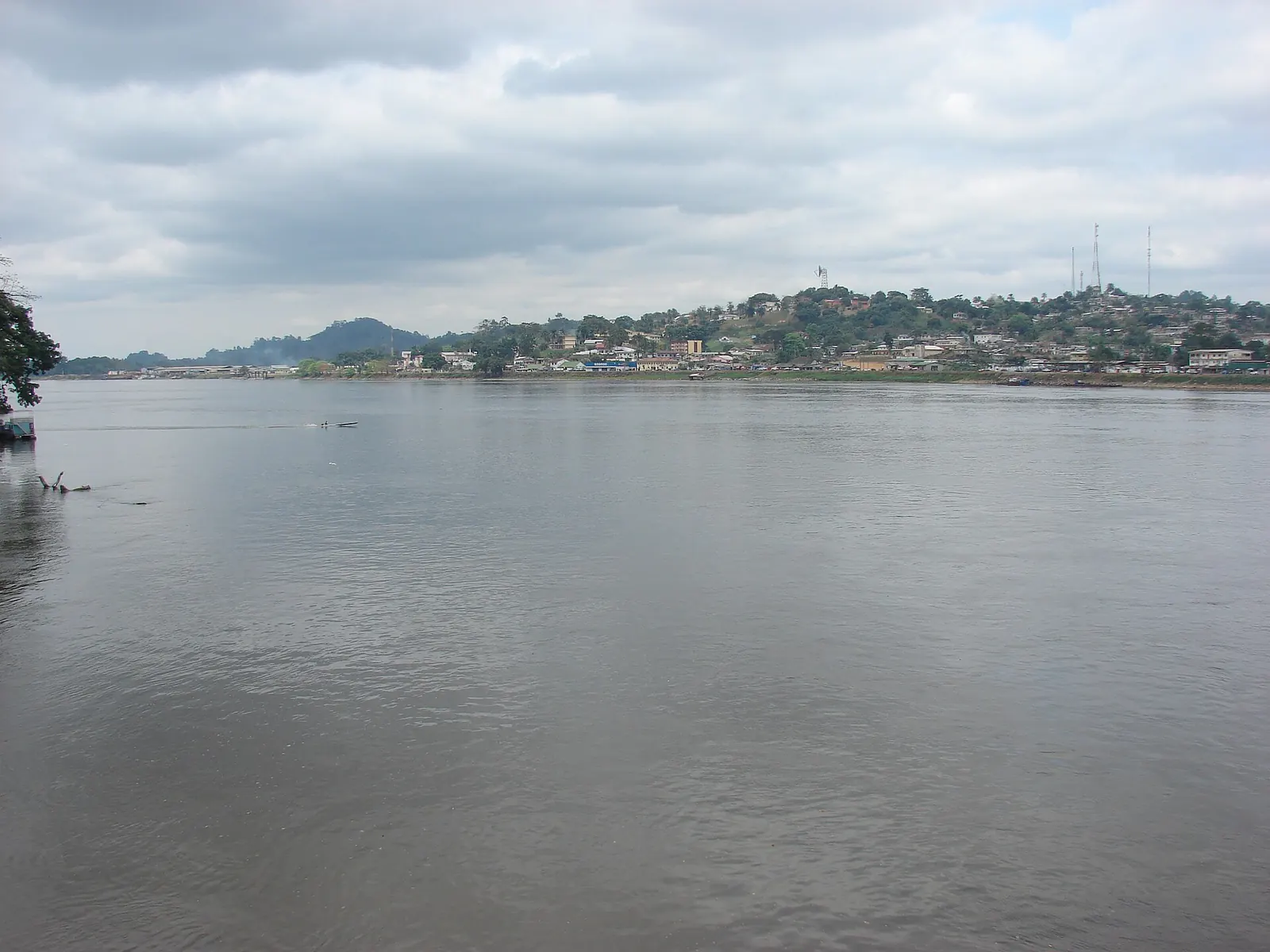
Territory and population
Moyen-Ogooué covers 18,535 km². With no coastline and no international border, it is surrounded by Estuaire and Woleu-Ntem to the north, Ogooué-Maritime to the west, Ogooué-Ivindo to the east and Ngounié to the south. The province has two departments: Ogooué et des Lacs (seat Lambaréné) in the south-west and Abanga-Bigné (seat Ndjolé) in the north-east.
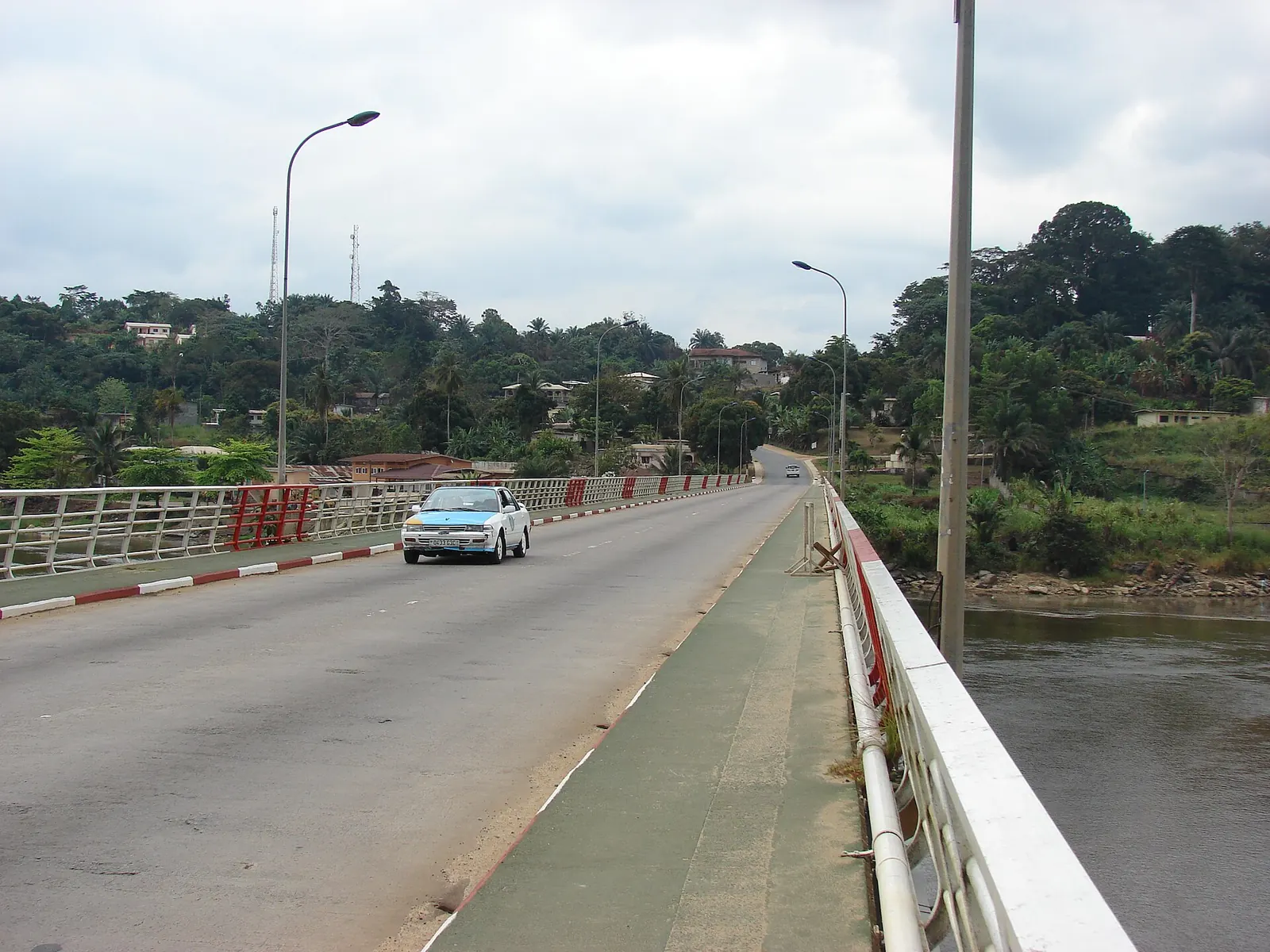
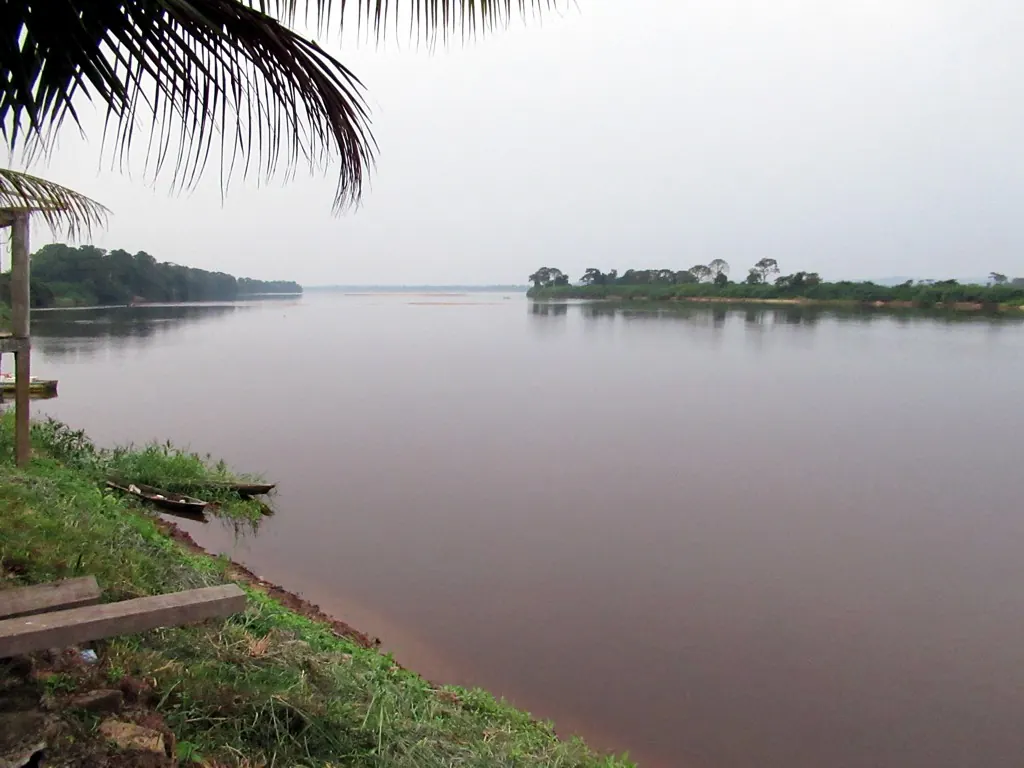
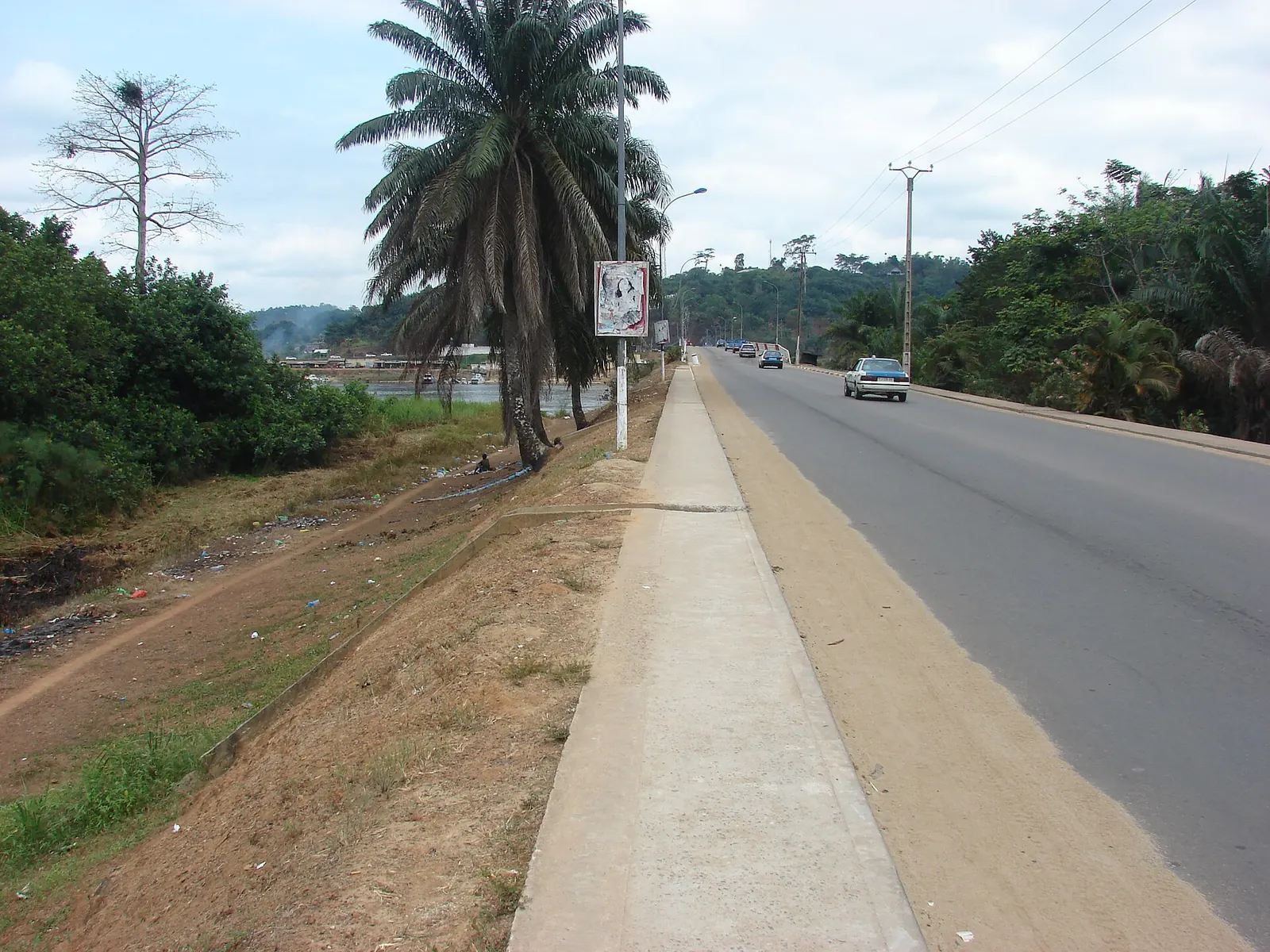
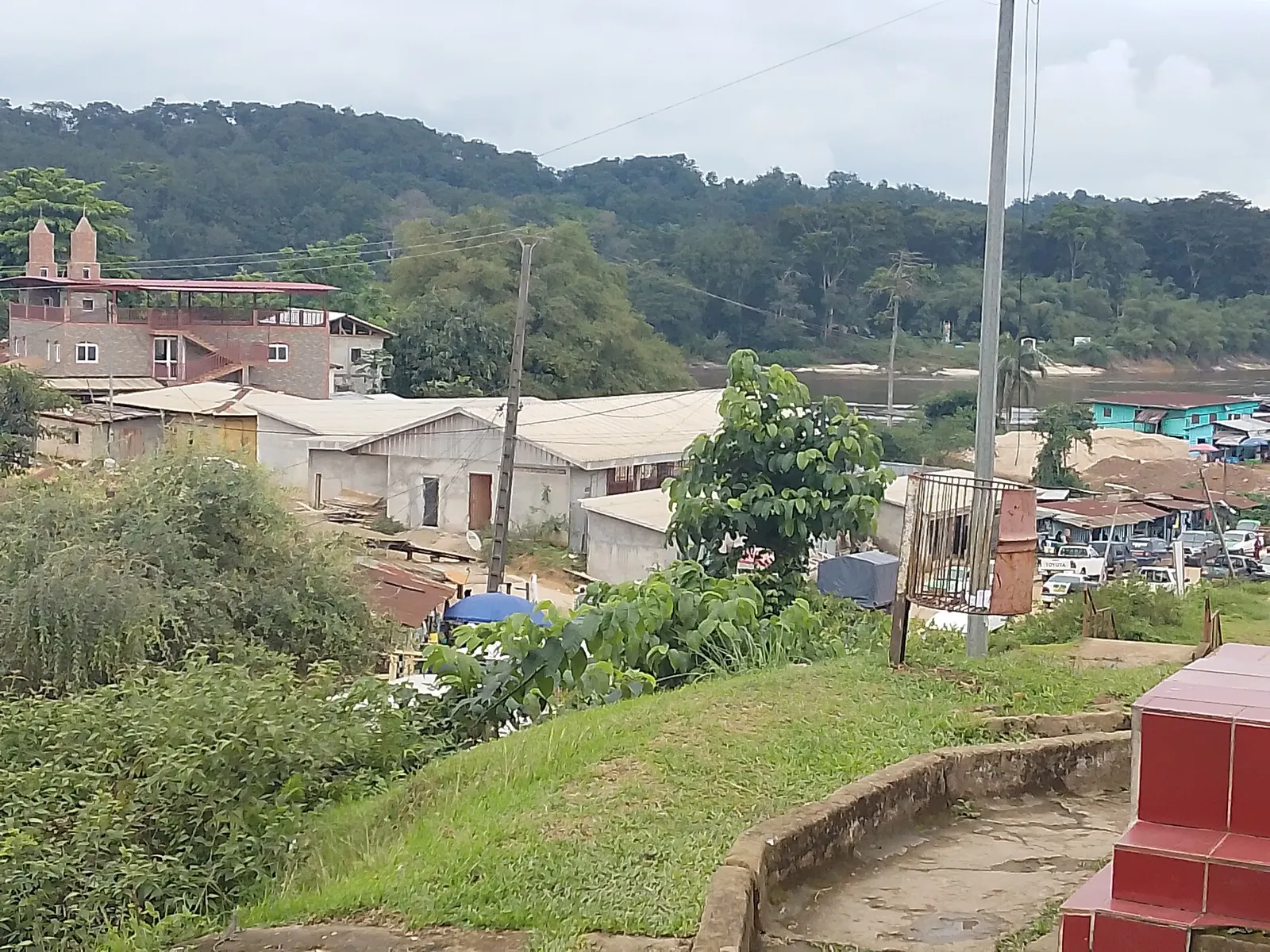
Lambaréné is built on the Ogooué river, about 250 km south-east of Libreville. Its centre, with the market and services, sits on an island, and the town spreads across both banks, which are linked by bridges. Ndjolé, also on the Ogooué, is the last point reachable by barge going upstream before the rapids; Pierre Savorgnan de Brazza set up a post there in 1883.
The 2013 census recorded 69,287 inhabitants (3.7 per km²), of whom 54,346 lived in Ogooué et des Lacs and 14,941 in Abanga-Bigné. The 2026 census results, validated by the Constitutional Court on 27 August 2026, give 105,703 inhabitants. At national level, these results are well above World Bank and United Nations estimates and have been debated in the press.
Economic activities
Forestry, fishing and agriculture
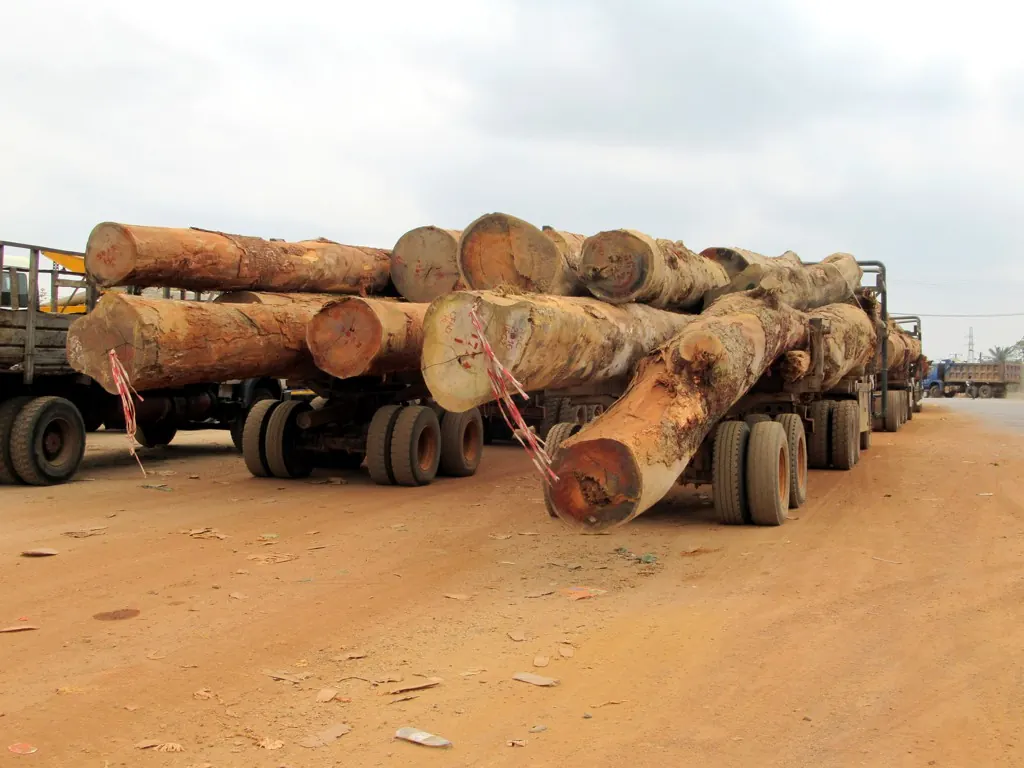
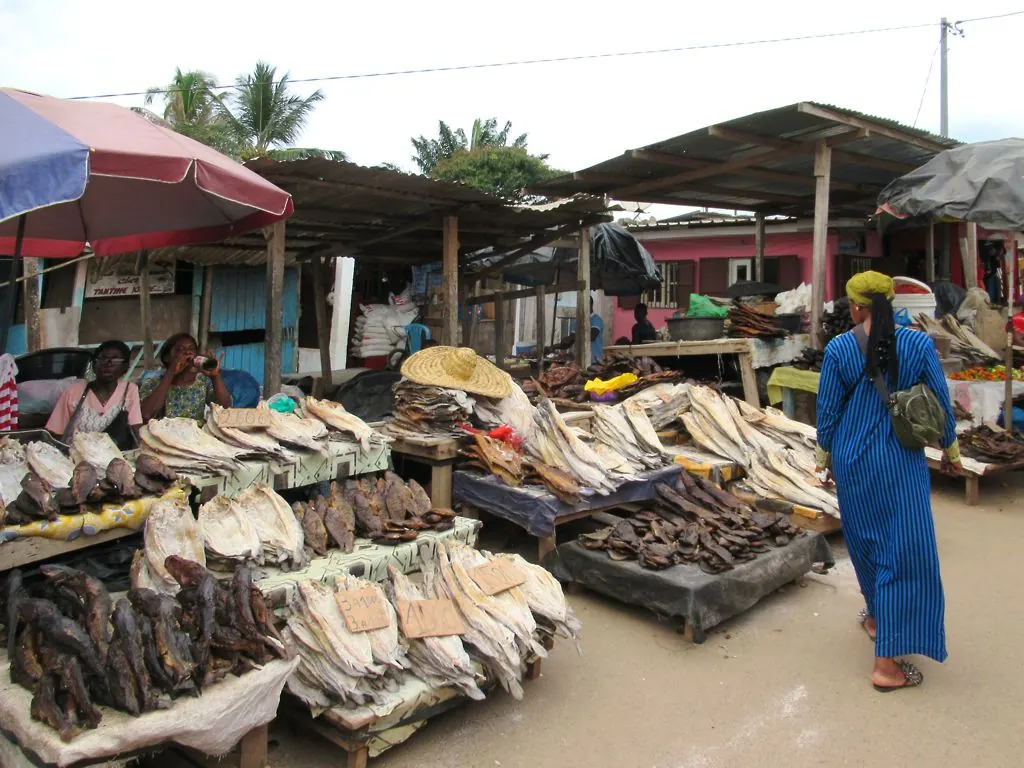
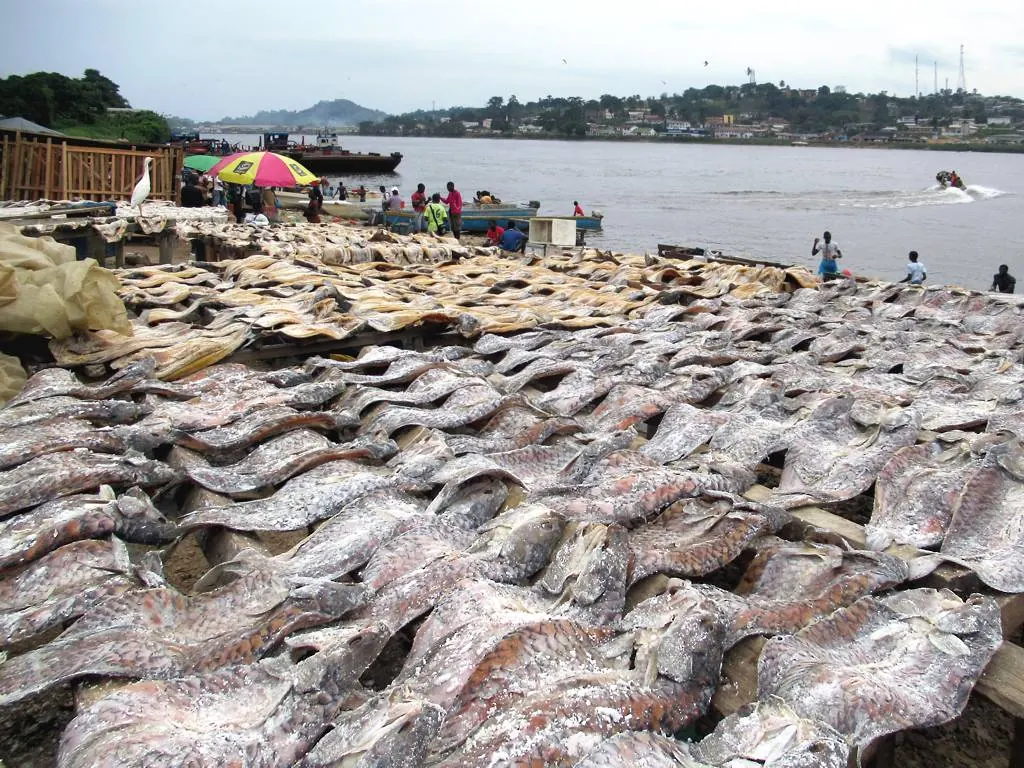
Around Lambaréné, the economy relies on logging, fishing in the river and lakes, agriculture and palm oil production. Ndjolé has historically been a logging and transport centre: foresters loaded timber there to float it down the Ogooué to Port-Gentil.
Manganese
In the Abanga-Bigné department, Compagnie industrielle et commerciale des mines de Huazhou (CICMHZ), a Chinese-owned company, mines the Bembélé manganese deposit near Ndjolé. Its mining permit, granted on 5 December 2007 for ten years, was renewed in 2017. An updated agreement was signed with the State on 26 February 2021; it is presented as the first mining agreement revised under the 2019 Mining Code, with a State stake in the capital and commitments on local employment and the environment.
Health and research
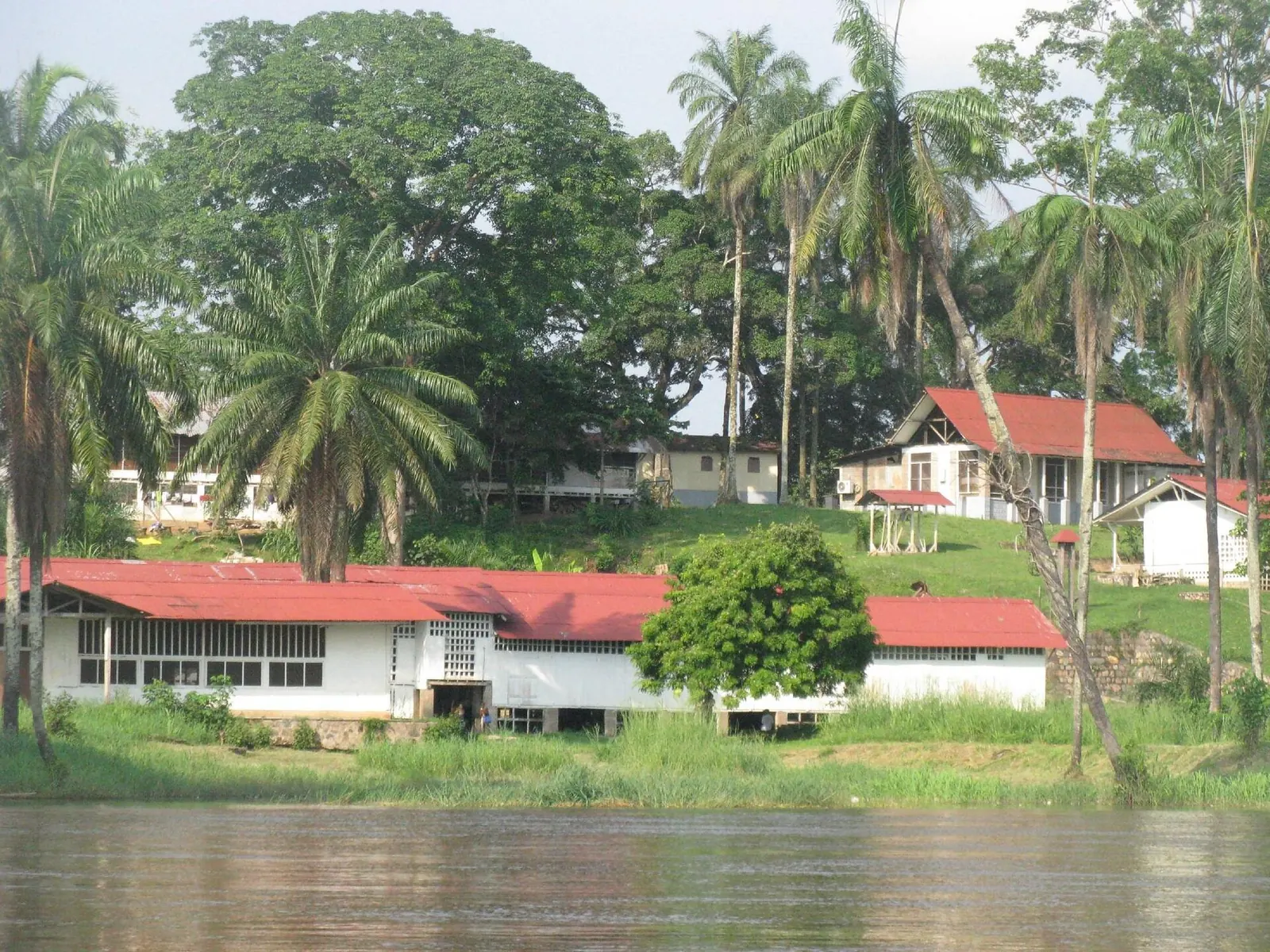
The Albert Schweitzer hospital in Lambaréné, founded in 1913, has been run by an international foundation since 1974. It specialises in tropical diseases. The Lambaréné medical research centre (CERMEL), set up in 1981 when the hospital was rebuilt and since then a separate non-profit organisation, carries out recognised research, in particular on malaria.
Infrastructure
National road 1 (N1), which starts in Libreville, runs through Lambaréné before continuing towards Fougamou, Mouila and Ndendé. Ndjolé lies on national road 2 and on the Trans-Gabon railway, whose station is at kilometre 182 from Owendo; the Owendo-Ndjolé section opened in 1978. The line is operated by Société d'exploitation du Transgabonais (Setrag). Lambaréné has an airfield.
The Ogooué remains a transport route: the river is navigable by barge up to Ndjolé.
River, lakes and environment
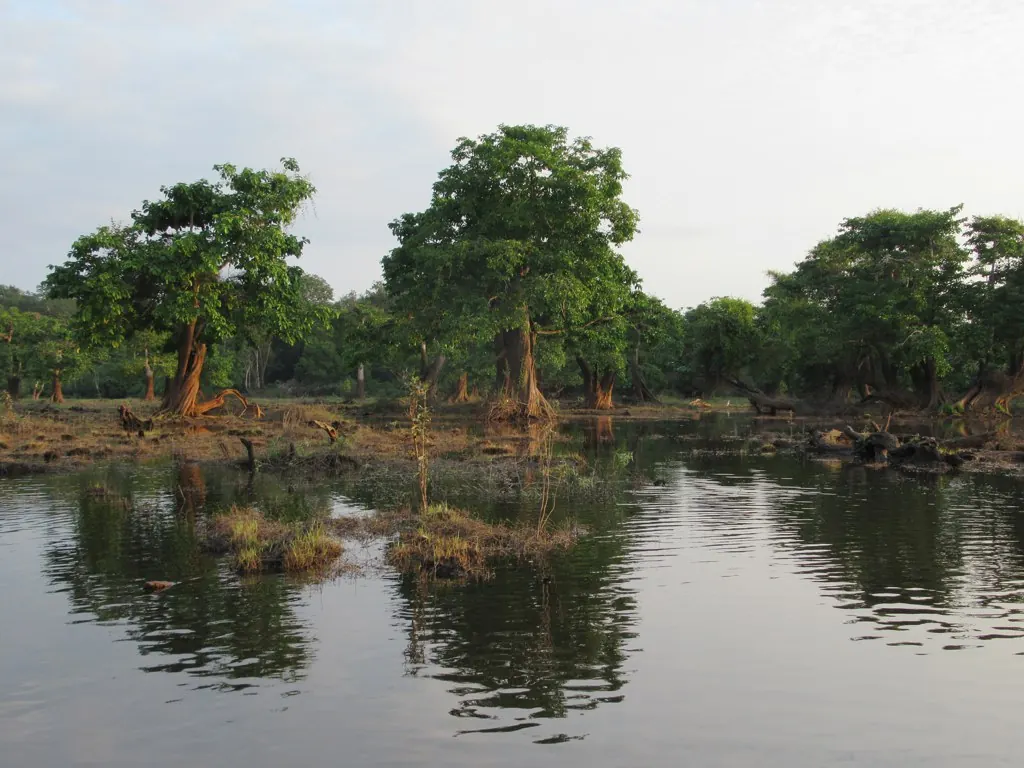
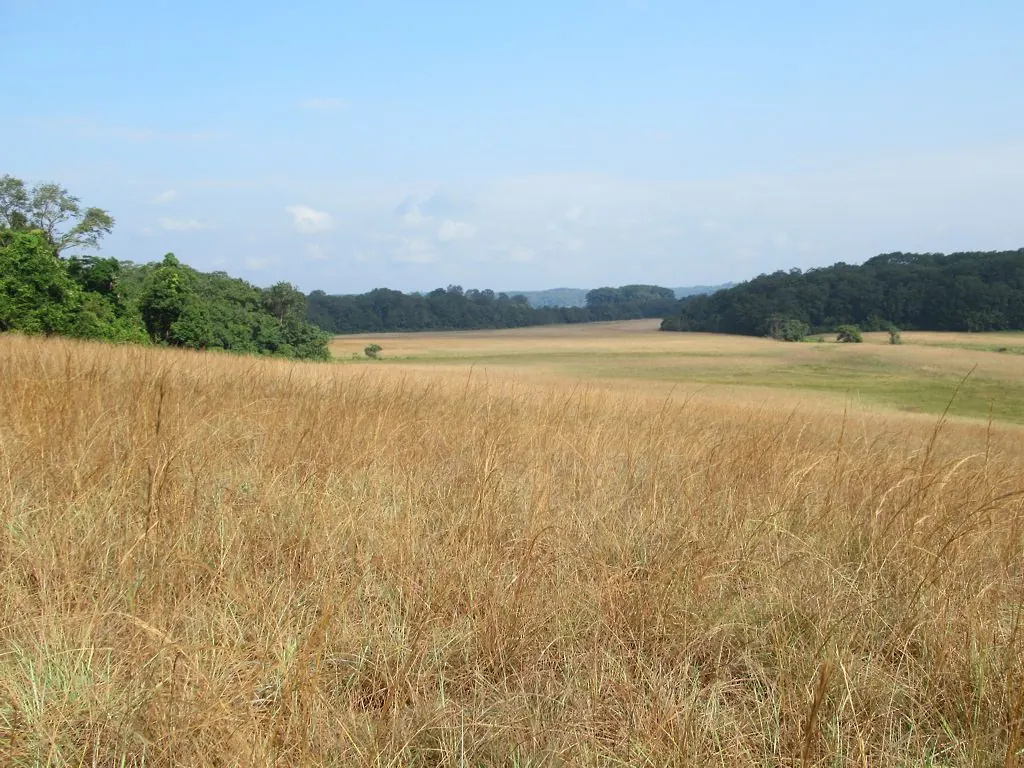
The province's landscape is dominated by forest and by the Ogooué river system. Around Lambaréné lies a lake district, including lakes Zilé, Onangué, Evaro and Azingo, which support fishing and some tourism.
Further reading
-
Lambaréné (Wikipedia) (opens in a new tab)
Overview of the town, its lakes and history.
-
CICMHZ agreement (Gabonreview) (opens in a new tab)
Article on the updated manganese mining agreement at Ndjolé.
-
The mining sector in Gabon (opens in a new tab)
Fact sheet by the French Treasury, September 2020.
Province indicators
Places and facilities
Facilities, sites and towns of Moyen-Ogooué province
- Airport
- City, Power plant, Railway station, Road corridor
The map cannot be displayed in this browser. The list of places remains available.
List of places (9)
- Lambaréné Airport Airport
- Lambaréné City
- Ndjolé City
- Ndjolé solar plant Power plant
- Alembé station Railway station
- Ndjolé station Railway station
- Otoumbi station Railway station
- Libreville-Ndjolé-Oyem-Bitam-Cameroon border corridor Road corridor
- Libreville-Lambaréné-Mouila-Ndendé-Congo border corridor (RN1) Road corridor
Photographs
Sources
13 sources cited
- Moyen-Ogooué (opens in a new tab)
- Moyen-Ogooué Province (opens in a new tab)
- Résultats globaux du recensement général de la population et des logements de 2013 (RGPL 2013) (opens in a new tab)
- Gabon : 62 % de la population concentrée dans l'Estuaire, l'urgence de repeupler l'intérieur du pays (opens in a new tab)
- RGPL 2026 : 3,5 millions d'habitants, le grand bond démographique qui demande des explications (opens in a new tab)
- Lambaréné (opens in a new tab)
- Ndjolé (opens in a new tab)
- Albert Schweitzer Hospital (opens in a new tab)
- Exploitation du manganèse à Ndjolé : l'État actualise sa convention avec la CICMHZ (opens in a new tab)
- Le secteur minier au Gabon (opens in a new tab)
- Trans-Gabon Railway (opens in a new tab)
- Route nationale 1 (Gabon) (opens in a new tab)
- General Directorate of Statistics of Gabon (opens in a new tab) Total population