Forests cover more than 90 percent of Gabon's territory. According to the brief, they stored over 8.1 billion tons of carbon in 2020, and forest services account for 3 percent of gross domestic product (GDP). The services assessed were worth CFAF 32.6 trillion in 2000 and CFAF 62.2 trillion in 2020 (US$53.9 billion then US$103.0 billion); carbon storage makes up almost the whole amount. Forest assets are put at US$1,184 billion and then US$2,261 billion, figures that count the global social cost of carbon; leaving the global climate benefit aside, the brief values them at US$8.2 billion in 2000 and US$10.6 billion in 2020.
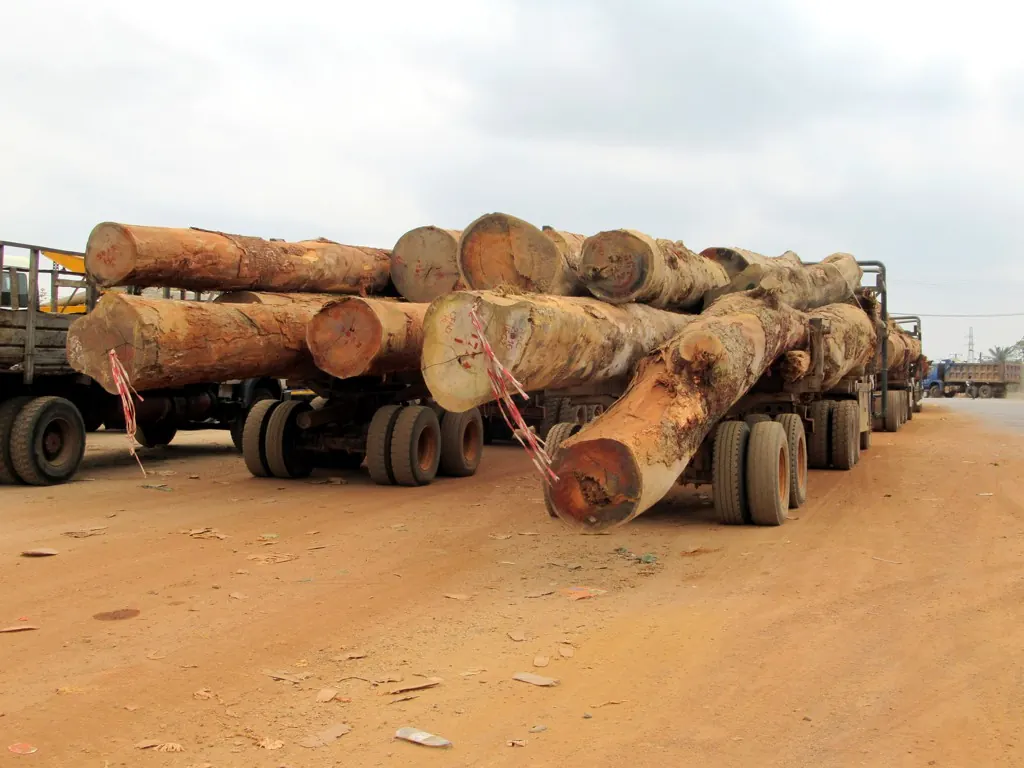
The country lost just 0.5 percent of its forest, about 120,000 hectares, mostly lowland, but the pace increased sevenfold between the two decades, from 15,000 hectares to more than 100,000 hectares. The provinces of Estuaire, Ngounié and Moyen-Ogooué, next to expanding towns, lose the most forest. Industrial roundwood harvesting fell from 2.2 to 1.8 million tons, while fuelwood use almost doubled.
The brief recommends institutionalising natural capital accounting, mainstreaming forest values in sectoral planning, promoting integrated land-use planning and leveraging climate finance and carbon markets by strengthening measurement, reporting and verification systems.