The synthesis covers Cameroon, the Central African Republic, the Democratic Republic of Congo, Equatorial Guinea, Gabon and the Republic of Congo. The accounts follow the United Nations System of Environmental-Economic Accounting (SEEA) and describe changes in the extent, condition and value of ecosystem services between 2000 and 2020, at a resolution of 100 metres.
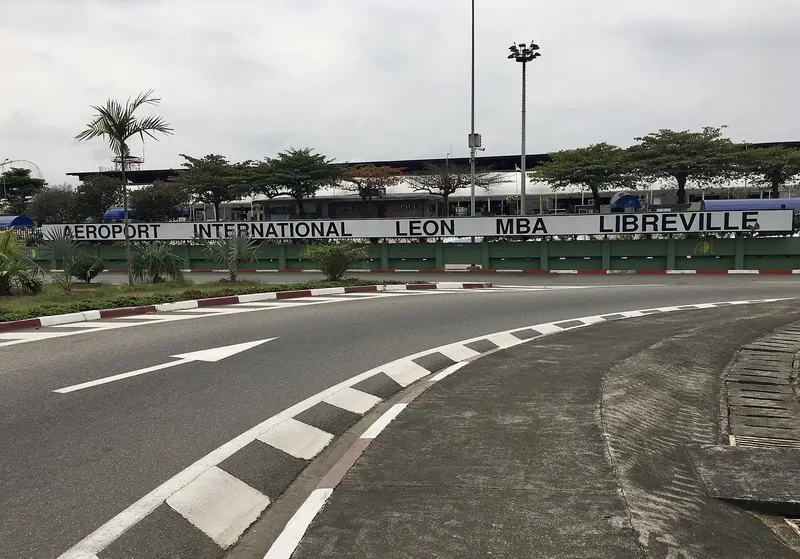
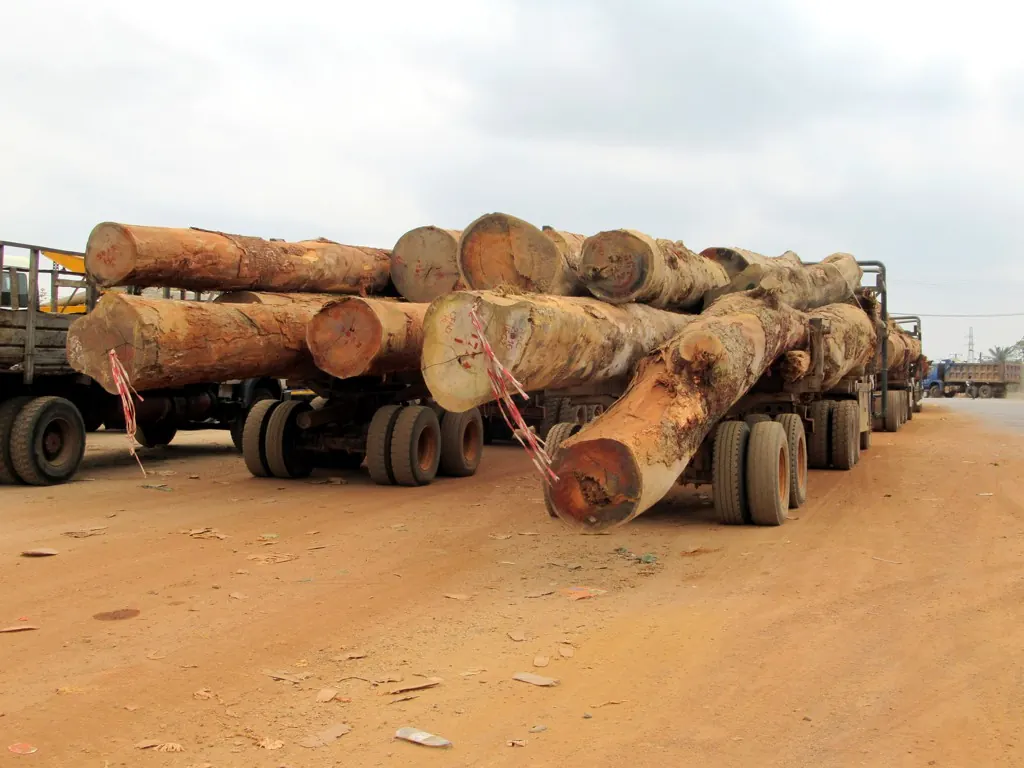
Gabon has 23.8 million hectares of forest, 11.5 percent of the forest area of the six countries and 90.1 percent of its own territory. Between 2000 and 2020 it recorded the lowest rate of forest loss in the region, with 132,674 hectares lost, or 0.6 percent, against a total decline of 8.6 million hectares (10.7 percent) across the six countries, 85 percent of it in the Democratic Republic of Congo. The report also notes that Gabon's timber industry became more formalised after the 2010 log export ban, with a sharp drop in production in 2010 followed by a recovery in 2020.
At regional level, the annual value of the forest ecosystem services assessed almost doubled, from US$590 billion in 2000 to US$1.15 trillion in 2020, and the total forest asset value from US$12.3 trillion to US$23.2 trillion. Excluding the global value of climate regulation, asset value stood at US$154 billion in 2020. The basin's forests stored about 90.9 billion tons of carbon in 2020, equivalent to 333.5 billion tons of carbon dioxide.