According to the World Bank, this growth slowdown is explained by weaker global demand, higher fuel costs and damage to the railway from severe weather events, which weighed on wood and manganese production. Total public revenue reached 22.9% of gross domestic product (GDP) in 2023.
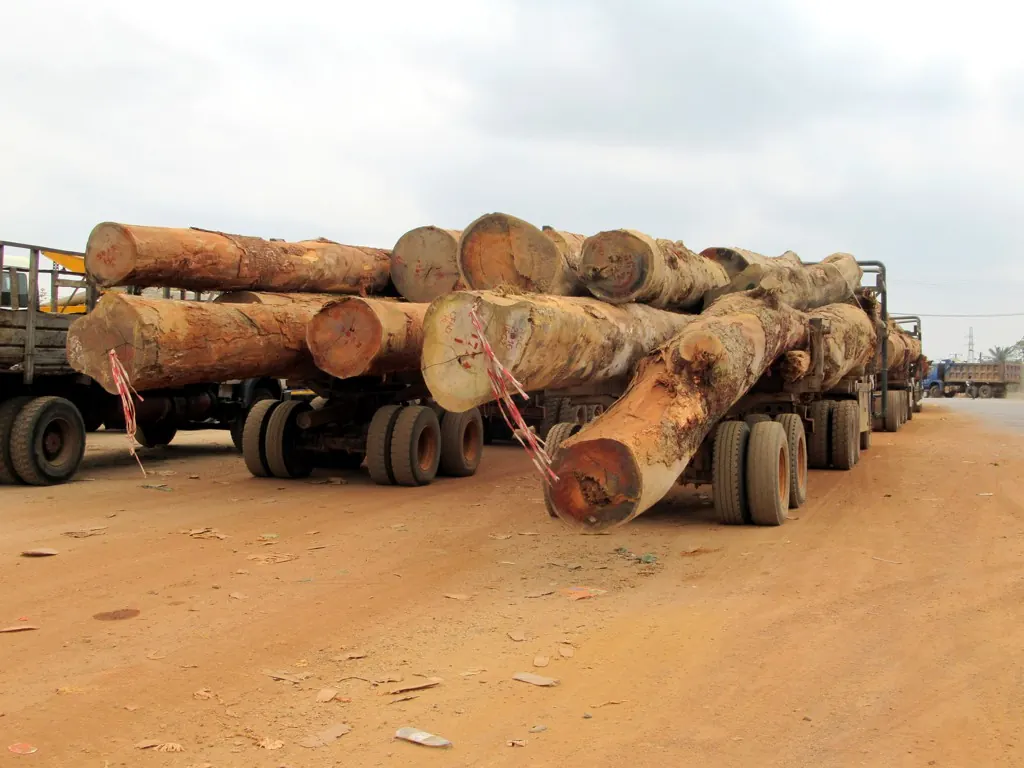
The report highlights the economic and environmental role of Gabon's forestry sector: the timber industry accounted for 3.2% of GDP and 6% of exports in 2023, and employed nearly 15,000 people in 2022, while forest-related revenues in 2023 were nearly four times their 2016 level. Gabon's forests are estimated to absorb around 140 million tonnes of CO2 a year, with a deforestation rate limited to 0.05% over 2010-2020, and the country secured 150 million US dollars in financing through the UN-led Central African Forest Initiative.
The World Bank recommends broadening the fiscal policy options available to the forestry sector, developing digital services for forestry operations, and considering forestry tax reform as part of the planned revision of the forestry code, in order to balance sustainable wood production with revenue generation.