Dated May 2022, the memorandum starts from one observation: oil and mining still set the pace of growth, of exports and of the budget, which is precisely why diversification has stalled. The report notes that income per head, in real terms, sits a fifth below its 1990 level, that one inhabitant in three lives under the US$5.5 a day line and that unemployment touches 14 percent of the population, in an economy of 2.3 million people.
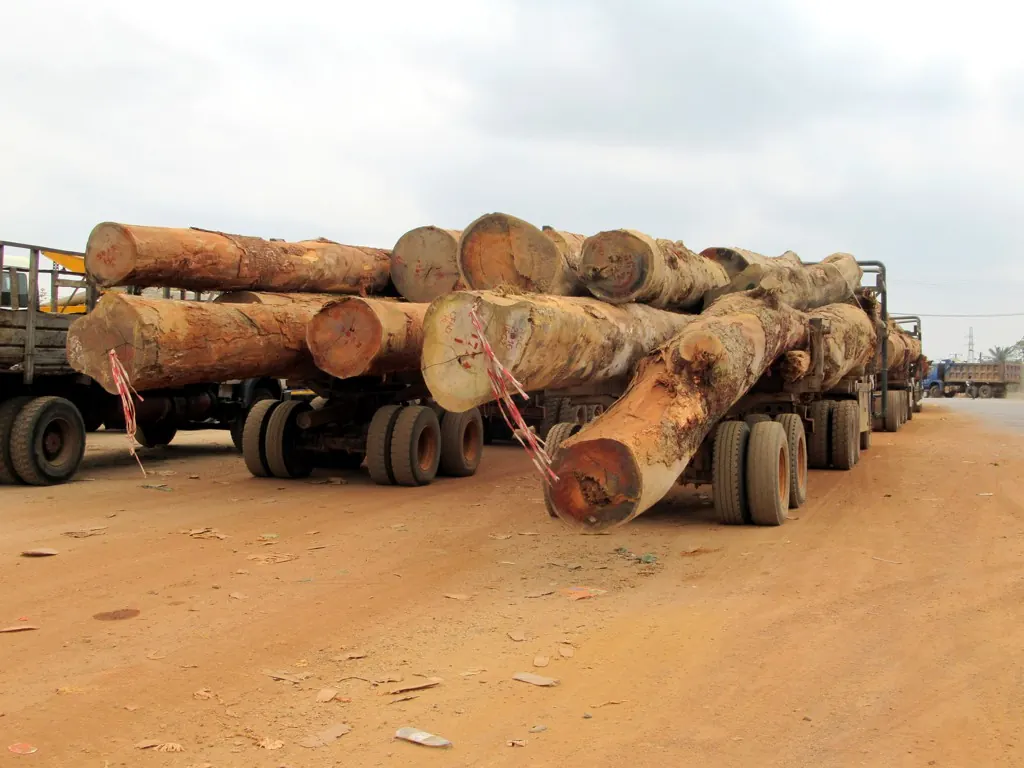
The document is framed by the Accelerated Transformation Plan (PAT) and the reforms endorsed by the heads of state of the Central African Economic and Monetary Community (CEMAC) in August 2021. It notes that the Nkok special economic zone, created in 2010, greatly expanded timber processing and brought more than 5,000 direct jobs, 65 percent of them filled by Gabonese, and that Gabon became the first African country paid for emission reductions tied to forest protection, receiving more than US$17 million.
Its four chapters cover the mismatch between skills and aspirations in the labour market and social protection, reducing the footprint of state-owned enterprises and improving the business environment, the potential for trade in goods and services and regional integration, and the greening of economic sectors. Each chapter offers actionable recommendations.